Why a Partial Car Wrap Might Be the Smart Choice for Your Vehicle
When I first walked into an auto salon in Singapore to talk about car wraps, I assumed a full wrap was the only way to go. I had the idea in my head that anything less would look unfinished, like a half-done job. But after spending time with the team at a local wrap studio and seeing dozens of cars roll through their doors, I realized I had it backwards. A partial car wrap is not a compromise. It is often the more thoughtful, more practical option, especially if you live in a city where heat, humidity, and tight parking spaces are part of daily life.
The truth is, most people do not need to cover every panel. They need a look that turns heads, protects the original paint where it matters most, and fits a budget that does not make them wince. Over the years, I have watched car owners wrestle with this choice, and I have come to believe that a partial wrap deserves a serious look before you commit to anything else.
What Exactly Is a Partial Car Wrap?
A partial car wrap covers specific sections of your vehicle rather than the entire surface. Common areas include the hood, roof, trunk, side mirrors, door handles, and sometimes the front or rear bumpers. The rest of the car stays in the factory color or an existing wrap. The vinyl wrap material is cut precisely to match the contours of each panel, and the result can be anything from a subtle accent to a bold two-tone statement.
In Singapore, where the tropical sun can be brutal, many drivers prefer a partial wrap because it reduces the amount of material exposed to UV rays and heat. Less vinyl means less potential for edge lifting or color fading over time. And with brands like 3M, Avery Dennison, Oracal, Hexis, and Kaylan offering films that handle UV exposure well, you can still get years of good service from a partial application.
Why Go Partial Instead of Full?
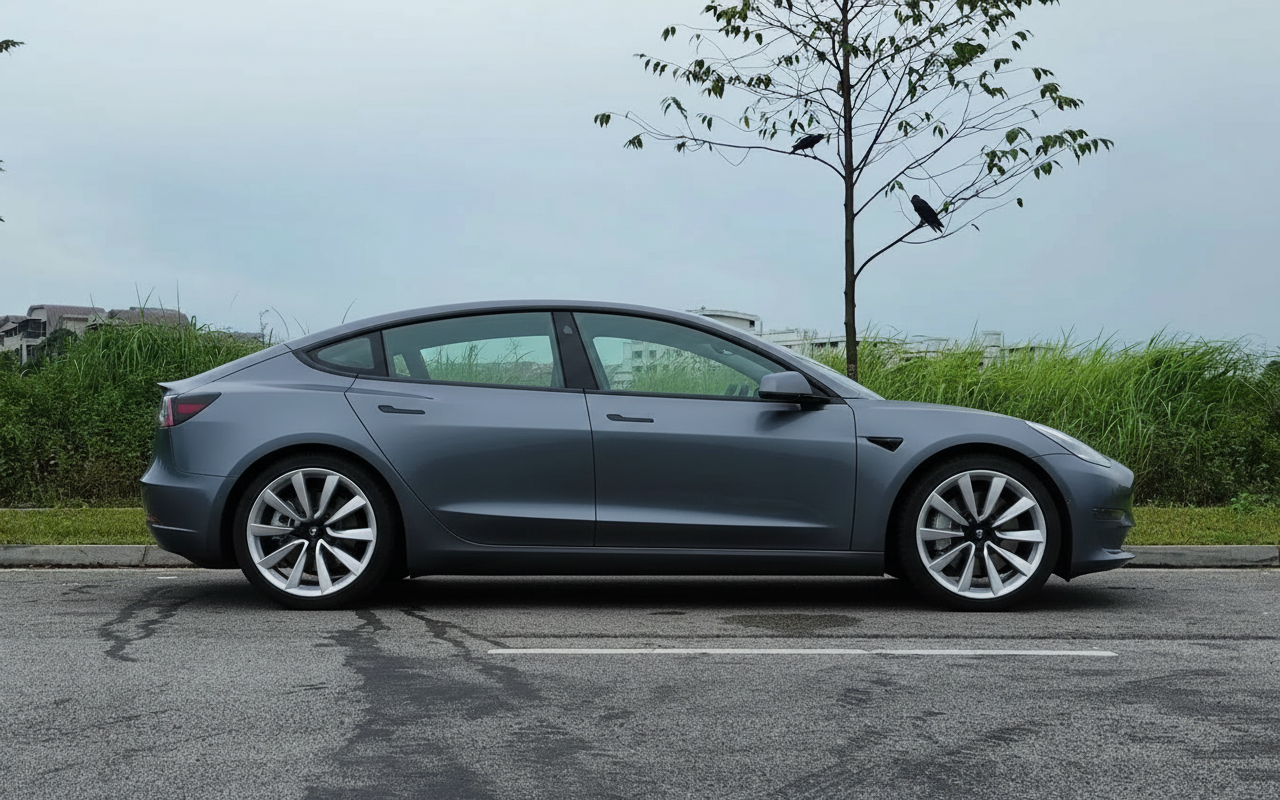
I have had this conversation more times than I can count. Someone walks into the wrap studio with a clear vision, then gets overwhelmed by the price of a full wrap. The first thing I tell them is that a partial car wrap often achieves the same visual impact for half the cost. If you are after a two-tone scheme, for example, wrapping only the upper half of the car while leaving the lower half in the original color can look intentional and clean. It is a look that reads as custom, not incomplete.
Then there is the matter of maintenance. A full wrap requires careful detailing. You have to think about how you wash it, where you park it, and what chemicals touch the surface. With a partial wrap, you still need to care for the wrapped sections, but the exposed paint is easier to maintain with standard car detailing routines. And if something does go wrong on a panel that is not wrapped, you can address it without affecting the vinyl at all.
Types of Partial Wraps That Work in Real Life
Over the years, I have seen a few approaches that consistently look great and hold up well in Singapore's climate. Here is what tends to work:
- Two-tone wrap: The upper half of the car in a contrasting color, often a gloss or satin finish, while the lower half stays stock. This is the most popular partial car wrap style because it mimics a factory two-tone paint job without the cost.
- Accent panels: Wrapping the hood, roof, and trunk in a metallic or color shift vinyl, leaving the sides in the original shade. It creates a subtle highlight that catches light differently from every angle.
- Carbon fiber details: Using a carbon fiber film on the hood or side mirrors for a sporty, textured look. This works especially well on darker base colors.
- Chameleon or color shift accents: Applying a chameleon film to the front bumper or door handles, so the color changes as you walk around the car. It is a conversation starter without overwhelming the entire vehicle.
Each of these options can be done using a high-quality laminate over the vinyl to protect against scratches and UV damage. The laminate layer is not always necessary, but in a place like Singapore, where the sun is intense year-round, it adds real longevity.
The Role of Material Choice
Not all vinyl is created equal. I have seen wraps that looked amazing on day one but started peeling within six months because the installer used a low-grade film. In Singapore, the heat and humidity test every material. That is why reputable wrap studios stick with proven brands. 3M and Avery Dennison are the most common choices for durability and color consistency. Oracal offers a good middle ground for those on a tighter budget. Hexis and Kaylan have some interesting finishes, especially in the matte and satin range, that give a more understated look than glossy films.
When you opt for a partial car wrap, the material choice matters even more because the exposed edges of the vinyl are more visible. With a full wrap, the edges are hidden behind panels or tucked into seams. With a partial wrap, the edge is often on the middle of a panel, so the film needs to be cut cleanly and installed with precision. A good installer will use a sharp blade and take their time. A rushed job will leave a visible line that catches dirt and lifts in the rain.
Cost and Time: The Practical Side
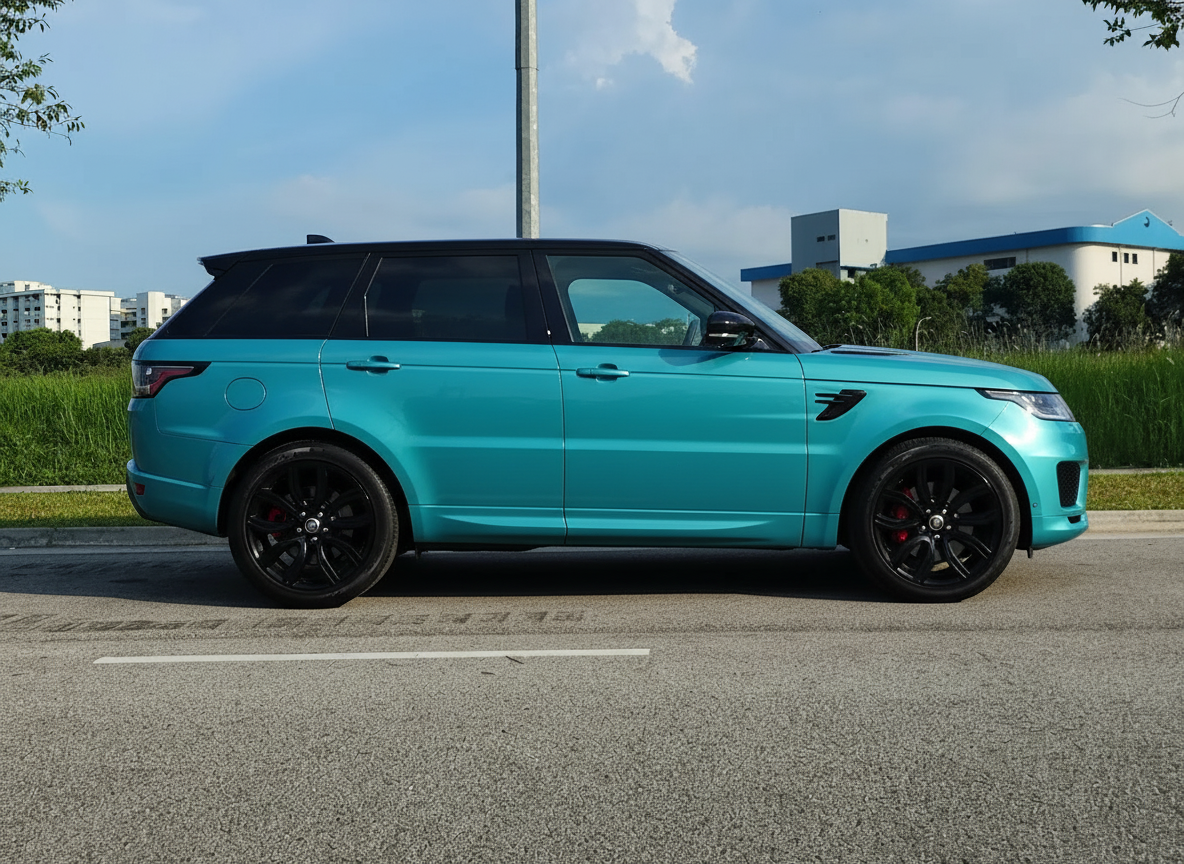
Let us talk numbers for a moment. A full wrap in Singapore can cost anywhere from two to five thousand dollars, depending on the material and complexity. A partial car wrap typically runs between eight hundred and two thousand dollars. That difference matters if you are on a budget but still want a custom look. And because the installer uses less material and less labor time, you can often get the car back in a day or two instead of a week.
I have seen people use the money they saved on a partial wrap to invest in other upgrades, like a ceramic coating for the exposed paint or a set of aftermarket wheels. That kind of balanced approach usually results in a car that feels more complete than one where all the budget went into a full wrap with no room for anything else.
Getting a Free Quotation and Preview
Before you commit, you should see what the wrap will look like on your own car. Many studios now offer a digital preview where you upload a photo of your vehicle, and they overlay the wrap design on top of it. This is a big advantage. It lets you experiment with different colors and placements without any risk. When you are satisfied, you can request a free quotation that breaks down the cost by material and labor. I always recommend asking for a detailed quote so you know exactly what you are paying for. A reputable studio will be transparent about the brands they use and the warranty they offer.
The Downside of Partial Wraps
I would be doing you a disservice if I only talked about the positives. Partial wraps have a few drawbacks worth mentioning. The most common issue is the visible seam where the vinyl ends. On a curved panel, that edge can be noticeable if the installer does not tuck it perfectly. Over time, dirt and wax can build up along that edge, creating a thin line that needs extra attention during cleaning.
Another thing to consider is resale value. A well-done partial car wrap can increase the visual appeal of a car, but a poorly done one can hurt it. If you plan to sell the car in a few years, make sure the wrap is applied by a professional who can remove it cleanly when the time comes. Some cheap wraps leave adhesive residue or damage the clear coat underneath, which can be a headache to fix.
Final Thoughts from Experience
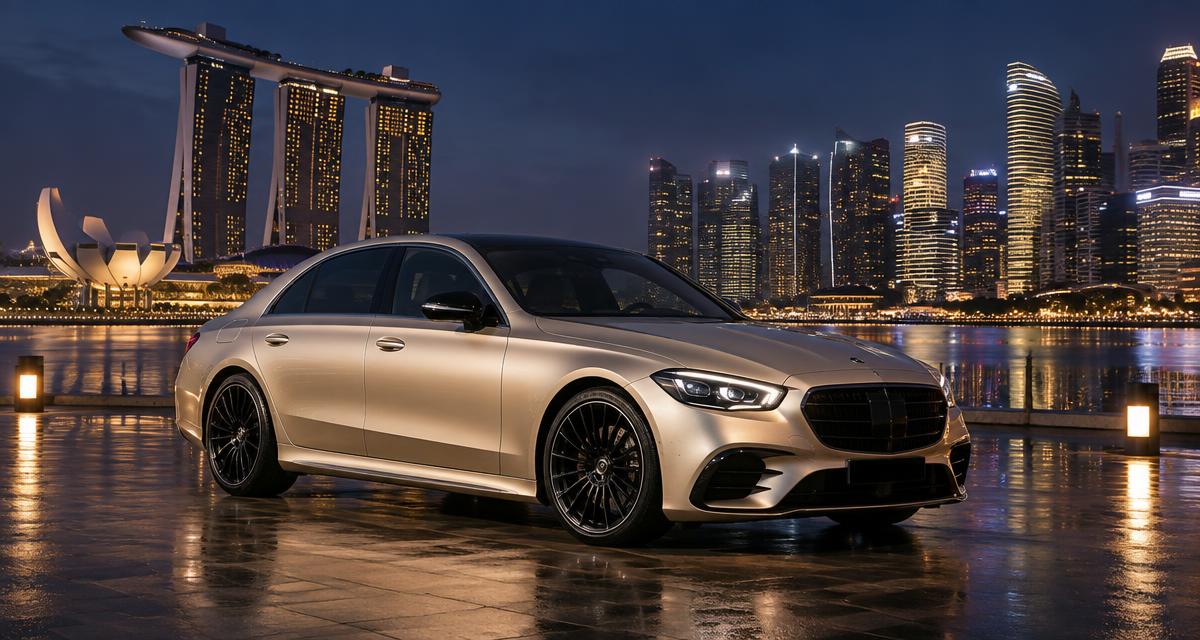
After watching hundreds of cars get wrapped, I have come to see partial wraps as a smart, strategic choice for most drivers. They give you the ability to express your style without committing to a full transformation. They cost less, take less time, and often look more intentional than a blanket full wrap. If you are in Singapore and thinking about car customization, I would encourage you to visit a wrap studio, look at their portfolio, and ask about partial options. Bring photos of what you like. Talk about finishes like glossy, matte, metallic, or satin. Ask about carbon fiber or color shift films if you want something with a bit of drama.
At the end of the day, the best wrap is the one that makes you smile every time you walk up to your car in the parking lot. For a lot of people, that smile comes from a partial car wrap that hits all the right notes without going overboard. And that is a good place to be.